
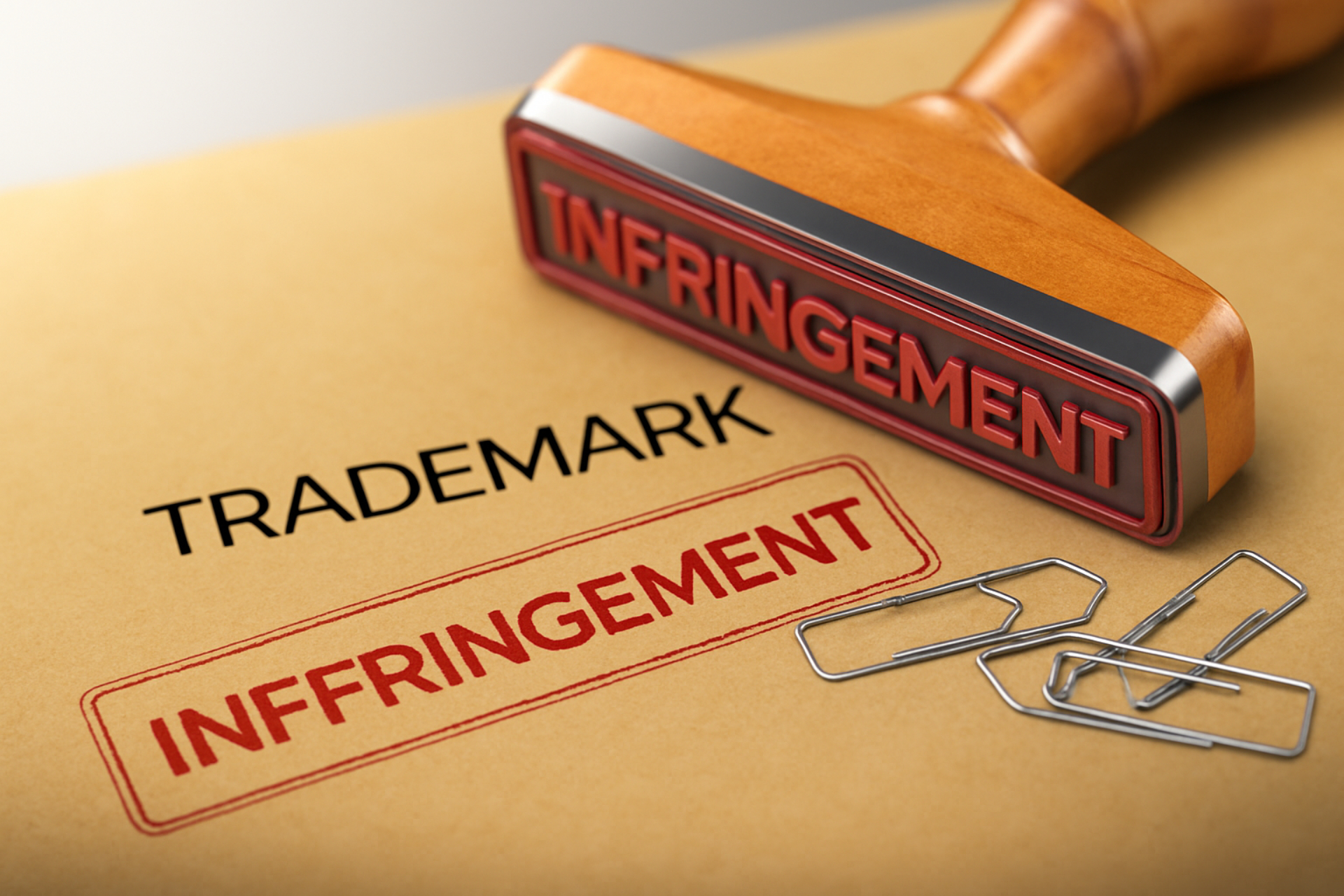
When you spend years building a brand—your logo, name, slogan, or even the look and feel of your product—the last thing you want is another business piggybacking on your success. Trademark infringement happens when someone uses a mark that’s confusingly similar to yours, and customers might mistakenly believe the two are connected. Think of when tech companies like Microsoft or Google push back against copycat apps using similar names or icons; those disputes aren’t about competing features—they’re about protecting customer trust and brand identity.
One of the easiest ways to spot trademark infringement is simply keeping an eye on the marketplace. That includes monitoring competitors’ websites, social media, Amazon listings, and even local shops. If your restaurant is named “Sunrise Café,” and a new diner opens nearby called “Sunrise Kitchen,” that’s a red flag. Likewise, when Disney goes after look-alike merchandise on Etsy, they’re doing exactly what you should be doing—regular, proactive brand monitoring. Brand protection starts with awareness.
Another signal of infringement is customer confusion. If you receive messages asking whether you’re affiliated with a similarly named business—or worse, complaints about a company that isn’t you—take it seriously. One famous example is Apple Corps (the Beatles’ company) versus Apple Computer. For years, consumers were confused by the shared name, ultimately leading to multiple lawsuits. Even in pop culture, fans sometimes confuse parody merch with official products, proving how powerful trademarks are in shaping perception. When confusion arises, it’s a strong indicator your intellectual property rights may be at risk.
So what should you do when you spot potential infringement? First, document everything—screenshots, dates, customer comments, product examples. Then, consult a trademark attorney to assess your options. Often, the first step is a cease-and-desist letter, which can resolve the issue quickly and professionally. In other cases, a business might genuinely be unaware they’re infringing, and a simple conversation can lead to a rebrand. But if the situation escalates or the infringement harms your reputation, filing a trademark infringement lawsuit may be necessary.
The best defense, however, is a strong offense. Register your trademark early, keep it updated, and conduct periodic searches to ensure no one is encroaching on your rights. Just like major brands protect their marks to maintain their value, smaller businesses need to stay vigilant too. With the right strategy and legal support, you can safeguard your brand’s identity and ensure your business stands out for all the right reasons.