
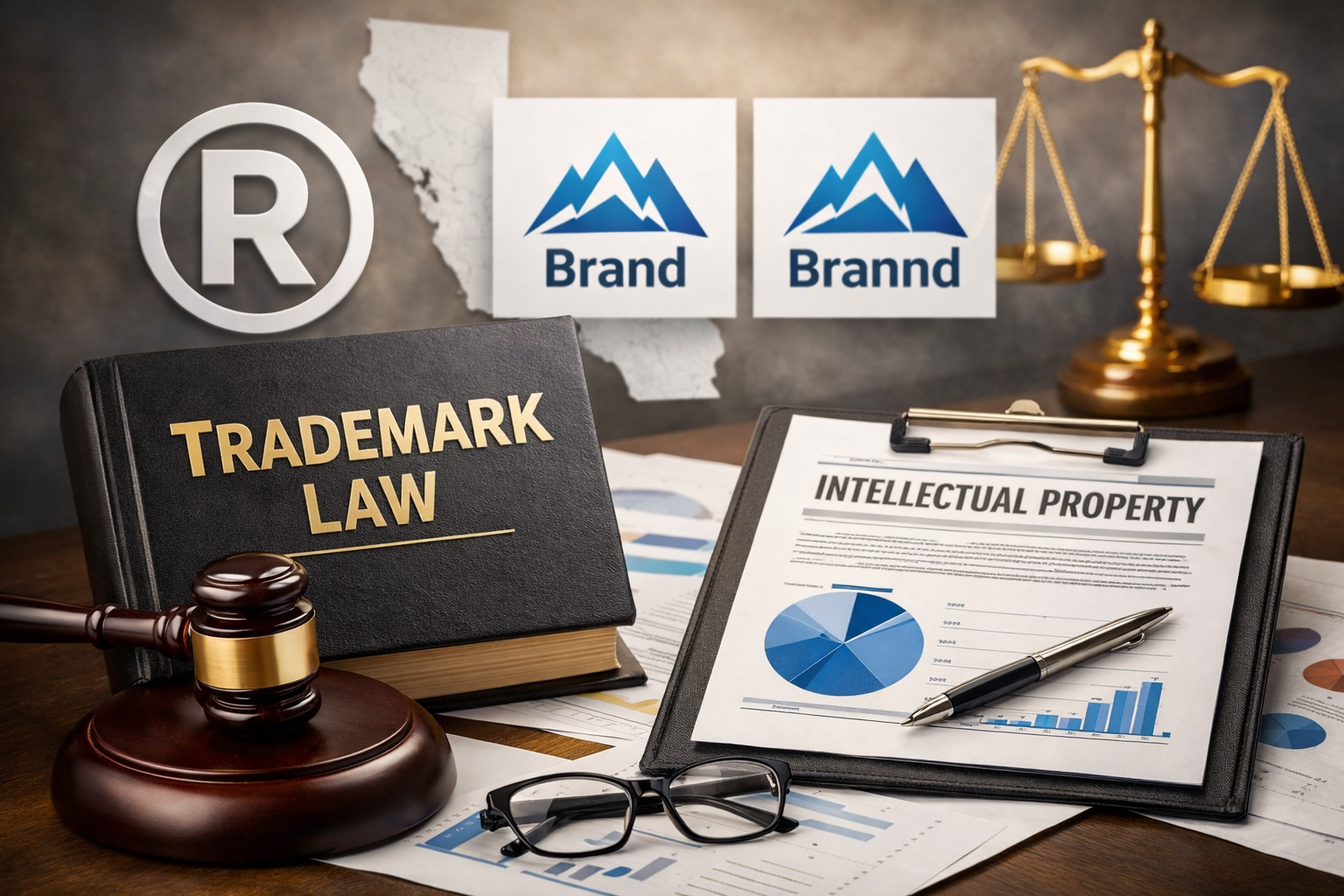
Discovering that another business is copying your brand is more than frustrating, it can threaten the very foundation of what you’ve built. Your trademark represents your reputation, customer trust, and market identity. When another company adopts a confusingly similar name, logo, or branding, it doesn’t just feel unfair, it can also divert revenue, dilute your brand strength, and create lasting damage to your credibility in the marketplace.
Trademark infringement is not something businesses can afford to ignore. In California’s competitive business environment, particularly in industries like technology, entertainment, fashion, and e-commerce, brand identity is often a company’s most valuable asset. If customers begin associating your name with someone else’s inferior products or services, the harm can spread quickly. Left unaddressed, infringement can weaken your legal position over time and complicate future enforcement efforts.
The key is acting quickly, but strategically. Understanding your trademark enforcement options under California and federal law allows you to protect your rights while minimizing unnecessary conflict. With the right approach, you can stop infringement, preserve your brand’s integrity, and send a clear message that your intellectual property will be defended.
Document Everything Immediately
The moment you discover potential infringement, start documenting. Take screenshots of the infringer’s website, social media profiles, advertisements, and products. Include dates and URLs. If they’re using your trademark in physical locations, photograph storefronts, signage, and products. Save copies of any customer confusion you encounter, such as misdirected emails, phone calls, or social media messages asking if you’re affiliated with the infringer.
This documentation serves multiple purposes. It establishes the scope and nature of the infringement, preserves evidence that might disappear if the infringer becomes aware of your concern, and demonstrates the likelihood of customer confusion, which is central to trademark claims. Strong documentation strengthens your negotiating position and becomes invaluable if litigation becomes necessary.
The Cease-and-Desist Letter
Most trademark disputes begin with a cease-and-desist letter. This formal communication informs the infringer of your trademark rights and demands they stop using your mark. While you can send such letters yourself, having an experienced trademark attorney send one demonstrates seriousness and provides legal credibility.
An effective cease-and-desist letter should identify your trademark and when you began using it, explain specifically how the recipient is infringing, describe the potential for customer confusion, demand cessation of the infringing use, and propose reasonable next steps. The tone matters. While the letter must be firm, unnecessarily aggressive language can backfire, transforming a potential quick resolution into an expensive legal battle.
Many infringers, particularly small businesses, respond positively to well-crafted cease-and-desist letters. They may have adopted the mark innocently, without realizing it was already in use, and are willing to rebrand rather than face litigation. Others may negotiate a coexistence agreement if your businesses serve different markets or geographic areas.
State vs. Federal Enforcement Options
California businesses have both state and federal enforcement options, each with distinct advantages. Federal trademark registration through the United States Patent and Trademark Office provides nationwide protection and creates legal presumptions of ownership and exclusive rights. Federal registration allows you to bring infringement claims in federal court, which can be strategically advantageous for multi-state disputes or when seeking significant damages.
However, you don’t need federal registration to enforce trademark rights. Under common law, you acquire trademark rights simply by using a mark in commerce. California’s Business and Professions Code Section 14320 provides state-level protection for registered and unregistered marks used within California. State law claims can be pursued in California state courts, which may be more convenient and less expensive for localized disputes.
Federal trademark registration also enables you to use U.S. Customs and Border Protection to block importation of infringing goods, access federal court remedies including statutory damages, and establish a public record of your ownership nationwide. For businesses planning to expand beyond California or facing infringers in multiple states, federal registration is essential.
Taking Strategic Legal Action
If a cease-and-desist letter does not resolve the issue, stronger enforcement measures may be necessary. At that stage, your options can include filing a trademark infringement lawsuit in California state court or federal court, seeking injunctive relief to immediately stop the infringing activity, pursuing monetary damages, or engaging in structured mediation to reach a negotiated resolution. If the infringer has filed, or is attempting to file, a federal trademark application, you may also initiate an opposition or cancellation proceeding before the USPTO to block or remove their registration.
Choosing the right course of action requires careful evaluation. Trademark litigation can be powerful, but it must be weighed against cost, timing, business impact, and long-term strategy. In some cases, swift court action is necessary to prevent brand dilution or market confusion. In other cases, a targeted negotiation or settlement agreement may resolve the issue efficiently while preserving business relationships. The key is responding decisively, not emotionally, and ensuring your enforcement strategy aligns with your company’s broader goals.
Ignoring infringement is rarely a safe option. Failure to enforce your rights can weaken your trademark over time, undermine exclusivity, and make future enforcement more difficult. Taking proactive, measured action demonstrates that your brand is protected and that misuse will not be tolerated.
Need Help? Speak with an Experienced Los Angeles Trademark Lawyer
Trademark enforcement is not just about sending letters or filing lawsuits, rather it is about protecting the reputation, goodwill, and long-term value of your business. At Omni Legal Group, our experienced Los Angeles trademark attorneys work with startups, growing companies, and established brands to develop practical, results-driven enforcement strategies tailored to each situation.
We assist clients with cease-and-desist communications, USPTO opposition and cancellation proceedings, negotiated resolutions, and state or federal trademark litigation when necessary. Our legal team understands the competitive realities of operating in California and helps clients act quickly while minimizing unnecessary risk.
If your brand is being copied, or you suspect infringement, now is the time to act. Early intervention can prevent escalation, protect your customer relationships, and strengthen your legal position.
Contact Omni Legal Group today to schedule a free, no-obligation consultation with a trusted Los Angeles trademark lawyer. Call 855.433.2226 to speak with our legal team and take decisive steps to safeguard your brand, your reputation, and your business future.