
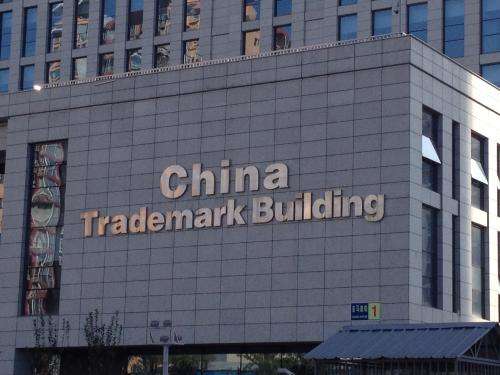

In the past, the general impression has been that trademark law in China weighed heavily in favor of local companies over foreign brands. This has proven problematic for many global companies due to the fact that the need to think about intellectual property protection in China is an inevitable reality. Then, at the end of last year, Michael Jordan received a rare ruling in favor of a foreign brand in a Chinese court. The basketball legend had sued Qiaodan (Michael Jordan’s Chinese name) Sports in 2012 claiming the local company had built its business around his name and famous jersey number. Holding in favor of Michael Jordan, the court found the Chinese company’s actions evidenced “malicious intent.” New Balance also received a victory in China earlier this year after it sued three Chinese companies which were all using a highly similar logo on shoes it sold under the name “New Boon.” New Balance received a hefty damages award of $1.5 million after the court decided the defendants had damaged New Balance’s business reputation and depleted its market share in China. Additionally, China’s trademark office recently rejected an application for “MUSK & Chinese Characters” for “electrical vehicles,” which was filed by a Chinese individual. It found the application had been filed in bad faith without the authorization of the widely known opponent. Article 7 of the Trademark Law of China provides generally that use and registration of a trademark should follow the principle of good faith. Moreover, Article 44.1 states that if a mark was registered through “fraudulent or other illegitimate means,” the trademark office itself may invalidate the mark or others may bring an action to do the same. Taken together, these laws and recent court rulings indicate China is taking actions against bad faith trademark applications. However, the trademark office remains overwhelmed with applications and examiners do not have sufficient time to perform a proper analysis of each filing. Thus, brand holders seeking international protection of their intellectual property rights must closely monitor the Chinese trademark office. #omnilegalgroup #trademark