
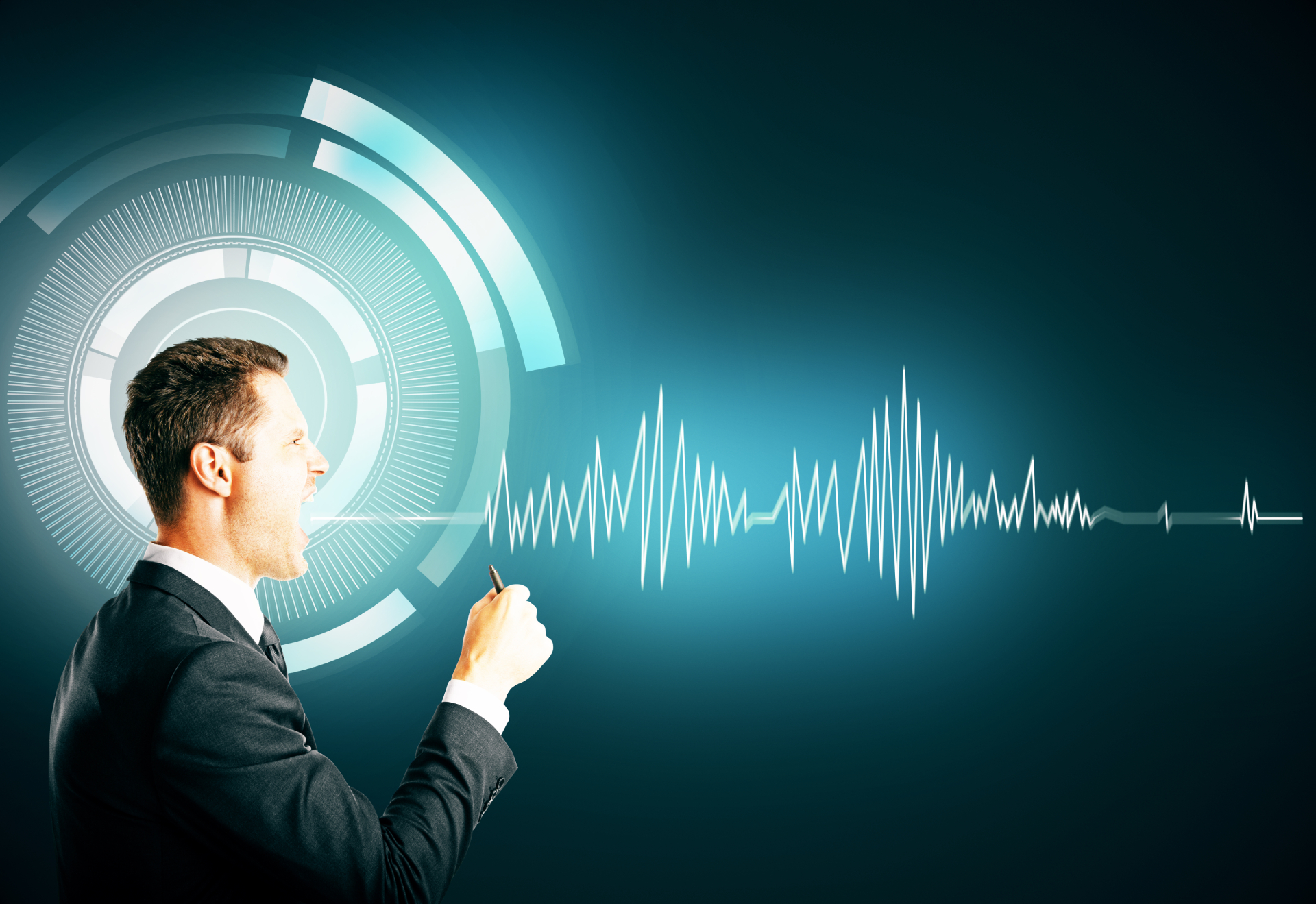
Artificial intelligence is changing the way we create content, but it is also raising important legal questions about identity and ownership. One of the biggest concerns today is AI voice replication, a technology that can clone a person’s voice with surprising accuracy. From celebrity impressions to virtual customer service agents, AI-generated voices are becoming increasingly common. However, when someone’s voice is copied without permission, it can create serious legal issues involving rights of publicity, privacy, and intellectual property law.
Recent headlines have shown just how real this issue has become. In 2024, actress Scarlett Johansson publicly raised concerns after a voice assistant developed by a major technology company allegedly sounded remarkably similar to her voice, despite her declining an offer to participate. Similarly, musicians, actors, and content creators have expressed concern about AI tools that can reproduce their voices from just a few seconds of audio. Even in popular culture, fans have used AI to generate songs featuring the voices of famous artists who never actually recorded them. While these creations may seem entertaining, they can blur the line between innovation and unauthorized exploitation.
The legal concept most often associated with AI voice cloning is the right of publicity. In simple terms, the right of publicity gives individuals control over the commercial use of their name, image, likeness, and in many cases, their voice. A landmark example came from the famous case involving singer Bette Midler, whose distinctive voice was imitated in a commercial without her permission. The court ruled that using a sound-alike voice could violate an individual’s rights when it is closely associated with their identity. Today, AI technology has amplified these concerns because it can create near-perfect digital replicas that are often difficult for consumers to distinguish from the real person.
Businesses should be especially cautious when using AI-generated voices in advertising, marketing campaigns, social media content, or customer-facing applications. Even if a company never directly uses a celebrity’s name, an AI-generated voice that resembles a recognizable public figure could expose the business to legal claims. Beyond celebrities, entrepreneurs, influencers, podcasters, and everyday professionals may also have valuable rights tied to their voice and personal brand. As AI technology evolves, lawmakers and courts across the country are actively examining how existing intellectual property laws apply to digital voice replication and whether additional protections are needed.
The rapid growth of artificial intelligence presents exciting opportunities, but it also creates new risks for businesses and content creators. Understanding rights of publicity, intellectual property protection, and AI compliance is becoming increasingly important for anyone using emerging technologies. Whether you are developing AI-powered products, creating marketing content, or building a personal brand, taking proactive legal steps today can help avoid costly disputes tomorrow. Working with an experienced intellectual property attorney can help ensure your innovations move forward while respecting the legal rights of others.
Concerned About AI Voice Cloning or Unauthorized Use of Your Identity?
As AI voice replication technology becomes more sophisticated, protecting your voice, identity, and personal brand is no longer just a concern for celebrities and public figures. Business owners, influencers, content creators, athletes, executives, podcasters, and professionals across virtually every industry may have valuable rights tied to their voice and likeness. When AI tools can recreate a recognizable voice from only a few seconds of audio, the potential for misuse, false endorsements, consumer confusion, reputational harm, and lost commercial opportunities increases dramatically.
Whether you are concerned about unauthorized AI-generated content, protecting your rights of publicity, safeguarding your personal brand, or ensuring your business complies with evolving AI regulations, proactive legal guidance can help you stay ahead of emerging risks. As lawmakers and courts continue to address the challenges created by artificial intelligence, individuals and businesses that take action now will be in a far stronger position to protect their interests in the future.
At Omni Legal Group, our Los Angeles intellectual property attorneys help clients navigate the rapidly evolving intersection of AI, publicity rights, intellectual property law, and brand protection. We work with entrepreneurs, creators, athletes, entertainers, influencers, startups, and businesses to develop legal strategies designed to protect identity-based assets, mitigate risk, and preserve valuable commercial rights in an increasingly digital world.
Your voice is part of your identity. Your identity is part of your brand. Protect both before someone else exploits them.
Contact Omni Legal Group today to schedule a confidential strategy session with one of IP lawyers in Los Angeles. Call 855.433.2226 to speak with our legal team and learn how proactive legal planning can help protect your voice, likeness, brand, and future opportunities in the age of artificial intelligence. Visit www.OmniLegalGroup.com to learn more.