AI, Copyright & Creativity in 2026: What Every Business Needs to Know Right Now
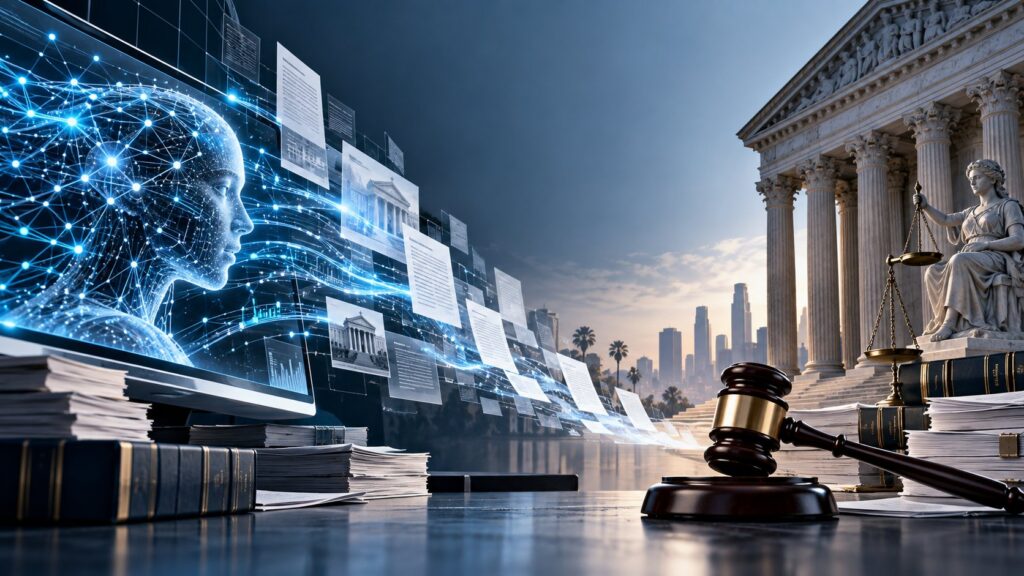
Artificial Intelligence is no longer “up and coming”, it’s here, it’s powerful, and it’s creating serious intellectual property questions for businesses of every size. As of February 2026, courts and lawmakers are still wrestling with one big issue: Who owns content created by AI? From marketing copy and digital art to music and software code, companies are using AI tools daily. But if you don’t understand how copyright law, trademark protection, and intellectual property rights apply, you could be building your brand on shaky legal grounds.
One of the most talked-about real-world examples involves lawsuits against companies like OpenAI and other AI developers over claims that their systems were trained on copyrighted books, news articles, and artwork without permission. Major publishers and creators argue that using protected content to “train” AI models may infringe copyright. On the flip side, AI companies argue this use qualifies as fair use. The courts are still sorting this out, and their decisions will shape the future of AI copyright law and intellectual property protection for years to come.
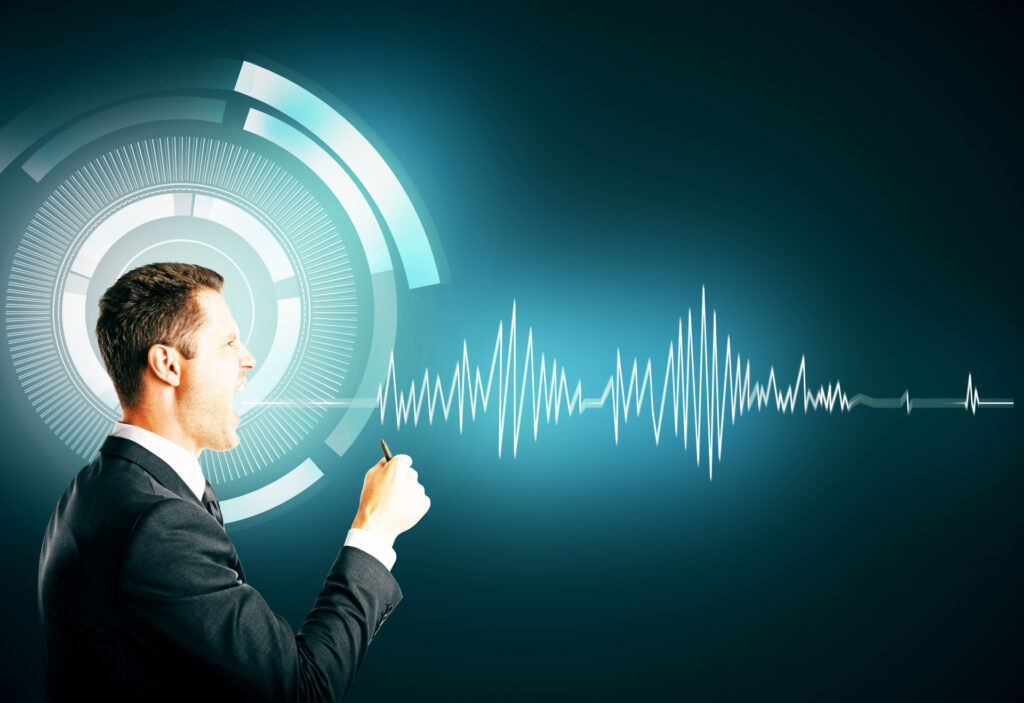
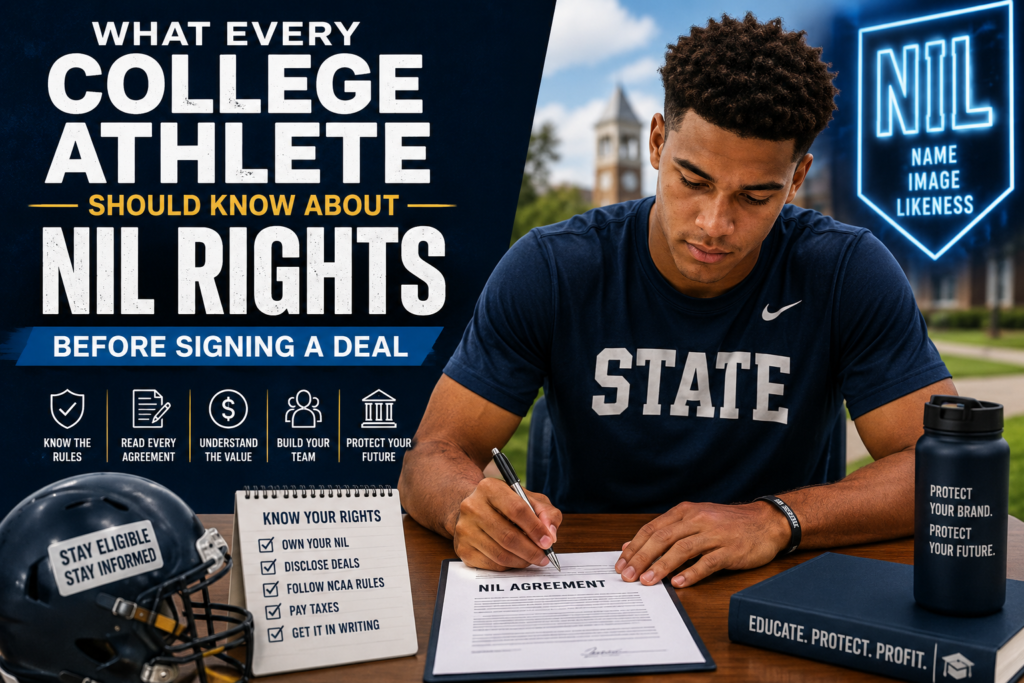
The music industry has also been front and center. When AI-generated songs began mimicking artists like Taylor Swift and Drake, questions exploded across social media: Is that copyright infringement? What about rights of publicity? Can someone legally profit from a song that sounds exactly like a famous performer? In simple terms, copyright protects the music itself, while publicity rights protect a person’s name, image, and likeness. If an AI track copies the style of an artist, that may be harder to prove. But if it uses their voice or identity directly? That’s where legal exposure increases dramatically. Businesses using AI-generated media must tread carefully to avoid costly disputes.
Even Hollywood has felt the impact. After industry strikes in recent years over AI use in film and television, studios now include strict contract language about digital likeness rights. Actors want assurances their faces and voices won’t be digitally reused without compensation. This shift shows how intellectual property law is evolving in real time. Contracts, licensing agreements, and employment policies must now address AI explicitly, something that wasn’t standard practice just a few years ago.
So, what does this mean for your business in 2026? Whether you’re using AI to create marketing materials, product designs, branding assets, or software code, you should: (1) review the AI platform’s terms of service, (2) confirm you have commercial usage rights, (3) avoid prompts that replicate specific living artists or competitors, and (4) register trademarks and copyrights where eligible. Proactive IP protection strategies, strong copyright compliance policies, and regular legal audits can prevent expensive litigation later. AI is an incredible tool, but innovation without legal protection is a risk no modern company can afford.
If your organization is integrating AI into its workflow, now is the time to evaluate your intellectual property strategy. The legal landscape is shifting quickly, and staying informed today can protect your competitive advantage tomorrow.
Don’t Let AI Put Your Intellectual Property at Risk
Artificial intelligence is transforming how businesses create, market, and compete, but it’s also reshaping the rules of intellectual property in real time. The companies that succeed in 2026 won’t just be the ones using AI creatively, they’ll also be the ones using it legally and strategically.
If your business is relying on AI to generate content, design products, write code, or develop branding assets, you need an intellectual property strategy that protects you from infringement claims, ownership disputes, and costly litigation. Waiting for the courts to “figure it out” is not a strategy. Proactive legal planning is.
At Omni Legal Group, our experienced Los Angeles intellectual property attorneys help businesses navigate the rapidly evolving intersection of AI, copyright, trademarks, and trade secrets. We work with startups, creators, technology companies, and established brands to audit AI usage, draft AI-specific contract language, secure copyright and trademark protection, and implement compliance frameworks that reduce risk.
If your organization is integrating AI into its workflow, now is the time to strengthen your legal foundation.
Contact Omni Legal Group today to schedule a confidential consultation with a knowledgeable Los Angeles IP lawyer. Call 855.433.2226 and ensure your business is innovating with confidence, not exposure.
To learn more, please visit www.OmniLegalGroup.com.
Read More