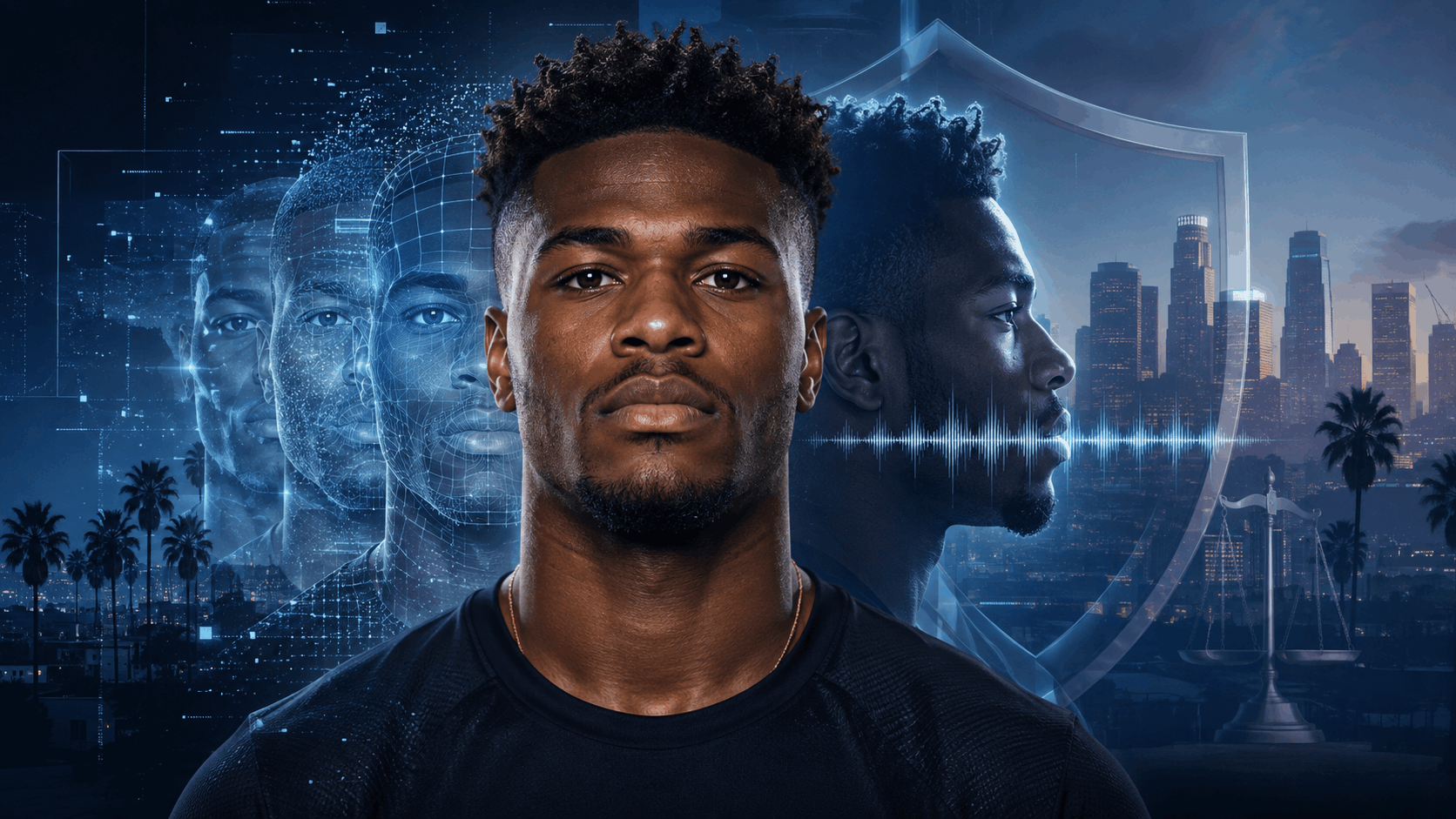
Generative AI has changed the way personal identity can be copied, manipulated, and commercialized. With increasingly sophisticated deepfake and voice-cloning tools, it is now possible to create convincing videos, audio recordings, and digital replicas that make it appear as though a real person said, did, or endorsed something that never actually happened. For athletes, entertainers, influencers, executives, and other public figures who have spent years building valuable personal brands, that creates a serious new category of legal and business risk.
The concern is not simply reputational. A person’s name, image, likeness, voice, and recognizable persona can have substantial commercial value, particularly when tied to endorsements, sponsorships, licensing opportunities, social media influence, and other revenue-generating activities. An unauthorized AI-generated replica can potentially create false endorsements, mislead consumers, interfere with existing brand relationships, dilute the value of legitimate NIL rights, and make it harder for individuals to control how their identity is used in the marketplace.
As synthetic media becomes easier to create and distribute, protecting personal identity requires more than reacting after a deepfake goes viral. Understanding how NIL rights, rights of publicity, trademark law, contracts, and emerging AI-specific legislation may work together can help individuals and businesses develop a more proactive strategy for protecting identity, brand value, and commercial relationships in an increasingly AI-driven environment.
NIL Rights in the Age of Synthetic Media
Name, Image, and Likeness (NIL) rights give individuals control over the commercial exploitation of their identity. Traditionally, NIL disputes centered on unauthorized use of a photograph or a name on merchandise.
Deepfakes complicate this landscape considerably: an AI-generated video can place an athlete’s face on someone else’s body, or an AI-cloned voice can make it sound as though a person endorsed a product they’ve never heard of.
Because NIL rights are typically grounded in state law and, for student-athletes, in a patchwork of state statutes and institutional policies, protection can vary significantly depending on jurisdiction. A deepfake created and distributed across state lines, or from overseas, can create real challenges in identifying the applicable law and pursuing enforcement.
Rights of Publicity
The broader legal doctrine underlying NIL protection is the right of publicity, which generally allows individuals to control the commercial use of their identity, including name, likeness, voice, and other identifying characteristics. California, home to a large share of entertainment and media industry professionals, has one of the most robust rights-of-publicity statutes in the country, covering both living individuals and, in some circumstances, deceased celebrities’ estates.
Deepfakes test the boundaries of this doctrine because they don’t use an authentic photograph or recording, rather they generate a synthetic likeness that may closely resemble a real person without using any of their actual footage.
Courts and legislatures are increasingly grappling with whether existing publicity statutes adequately cover this kind of synthetic reproduction, and several states have introduced or passed legislation specifically addressing AI-generated likenesses and digital replicas.
Trademark Considerations
Where a person’s name, image, voice, or persona functions as a source identifier for goods or services, trademark law may offer an additional layer of protection. A well-known figure who has built a recognizable brand around their identity may be able to pursue claims for false endorsement or unfair competition when an AI-generated deepfake creates the false impression that they’ve endorsed a product or service. This is distinct from, but can work alongside, a right-of-publicity claim, since trademark law focuses on consumer confusion rather than exclusively on the individual’s ownership interest in their identity.
Legal Strategies for Protecting Personal Identity and Brand Value
Individuals and their representatives can consider several approaches to protect against unauthorized synthetic use of their identity:
- Contractual protections: NIL agreements, endorsement deals, and licensing contracts can explicitly address AI-generated content, digital replicas, and voice cloning, rather than relying solely on general likeness language.
- Monitoring and takedown strategies: Regular monitoring for unauthorized deepfakes, paired with prompt takedown requests to platforms, can limit the spread and reputational impact of infringing content.
- State and federal claims: Depending on the jurisdiction, right-of-publicity claims, false endorsement claims under the Lanham Act, and emerging state deepfake statutes may all be available avenues.
- Trademark registration: Registering a name, signature phrase, or other identifying elements as a trademark can strengthen enforcement options where a deepfake creates consumer confusion about endorsement or affiliation.
- Proactive policy engagement: Given how quickly this area of law is evolving, staying informed about new state and federal legislation addressing AI-generated likenesses is essential for effective long-term protection.
Frequently Asked Questions
Can someone legally use my face or voice in an AI-generated deepfake without permission?
Not always. Depending on the circumstances, unauthorized use of a person’s name, image, likeness, voice, or persona may raise issues under right-of-publicity laws, false endorsement principles, contract law, or emerging AI-specific statutes. The legal analysis often depends on how the synthetic content is used, whether it is commercial, and which jurisdiction’s laws apply.
Do NIL rights protect against AI voice cloning and digital replicas?
They can. NIL rights are designed to protect the commercial value of a person’s identity, and that may include unauthorized AI-generated uses of a person’s likeness or voice. However, protection varies by state, and the law is still evolving as legislatures and courts address synthetic media more directly.
What should an NIL contract say about AI-generated content?
Modern NIL agreements should address whether a brand may create, modify, reproduce, or use digital replicas, AI-generated likenesses, cloned voices, or synthetic content. The contract should also define the scope, duration, platforms, approval rights, and any restrictions on future use.
Can trademark law help if a deepfake falsely suggests that I endorsed a product?
Potentially, yes. If an AI-generated video, image, or voice clone creates consumer confusion about whether a person endorsed, sponsored, or is affiliated with a product or service, trademark and false endorsement claims may be relevant in addition to right-of-publicity protections.
What should I do if I discover an unauthorized deepfake using my identity?
Document the content, where it appears, how it is being used, and whether it is tied to advertising or commercial activity. It may also be appropriate to pursue platform takedowns, preserve evidence, evaluate contractual rights, and speak with an attorney about available claims under applicable NIL, publicity, trademark, or AI-related laws.
Have Questions About Deepfakes, Voice Cloning, or NIL Rights? Speak to a Los Angeles NIL Lawyer Today
Deepfake and voice-cloning technology is advancing faster than many traditional legal frameworks were designed to address. For athletes, entertainers, influencers, executives, creators, and other individuals whose identities carry commercial value, unauthorized synthetic use is no longer a hypothetical concern. A convincing AI-generated video, cloned voice, or digital replica can potentially create false endorsements, confuse consumers, interfere with sponsorship agreements, damage brand relationships, and allow others to profit from a person’s identity without permission.
Protecting against that risk requires more than waiting until harmful content appears online. Individuals with valuable NIL rights should take a proactive approach that considers publicity rights, trademark protection, contract language, licensing terms, monitoring strategies, and emerging laws governing AI-generated replicas. Endorsement and NIL agreements should also be reviewed carefully to determine whether they clearly address digital likenesses, synthetic media, voice cloning, and future uses of AI that may not have been contemplated in older contracts.
At Omni Legal Group, our Los Angeles intellectual property attorneys advise student-athletes, professional athletes, entertainers, influencers, entrepreneurs, and businesses on NIL rights and the broader legal issues surrounding identity, branding, licensing, endorsements, trademarks, and emerging AI technologies. We help clients evaluate how their name, image, likeness, voice, and personal brand are being used, identify potential legal risks, and develop protection strategies that reflect both current opportunities and the rapidly changing digital landscape.
Your identity is more than personal, it can be a valuable commercial asset. As AI makes it easier to imitate that identity, having a clear legal strategy for controlling how it is used becomes increasingly important.
Contact Omni Legal Group today to schedule a confidential consultation with a Los Angeles NIL lawyer. Call 855.433.2226 to speak with our legal team about protecting your name, image, likeness, voice, and brand from unauthorized AI-generated use, and to discuss strategies designed to preserve the long-term value of your identity in an evolving marketplace. Visit www.OmniLegalGroup.com to learn more.