
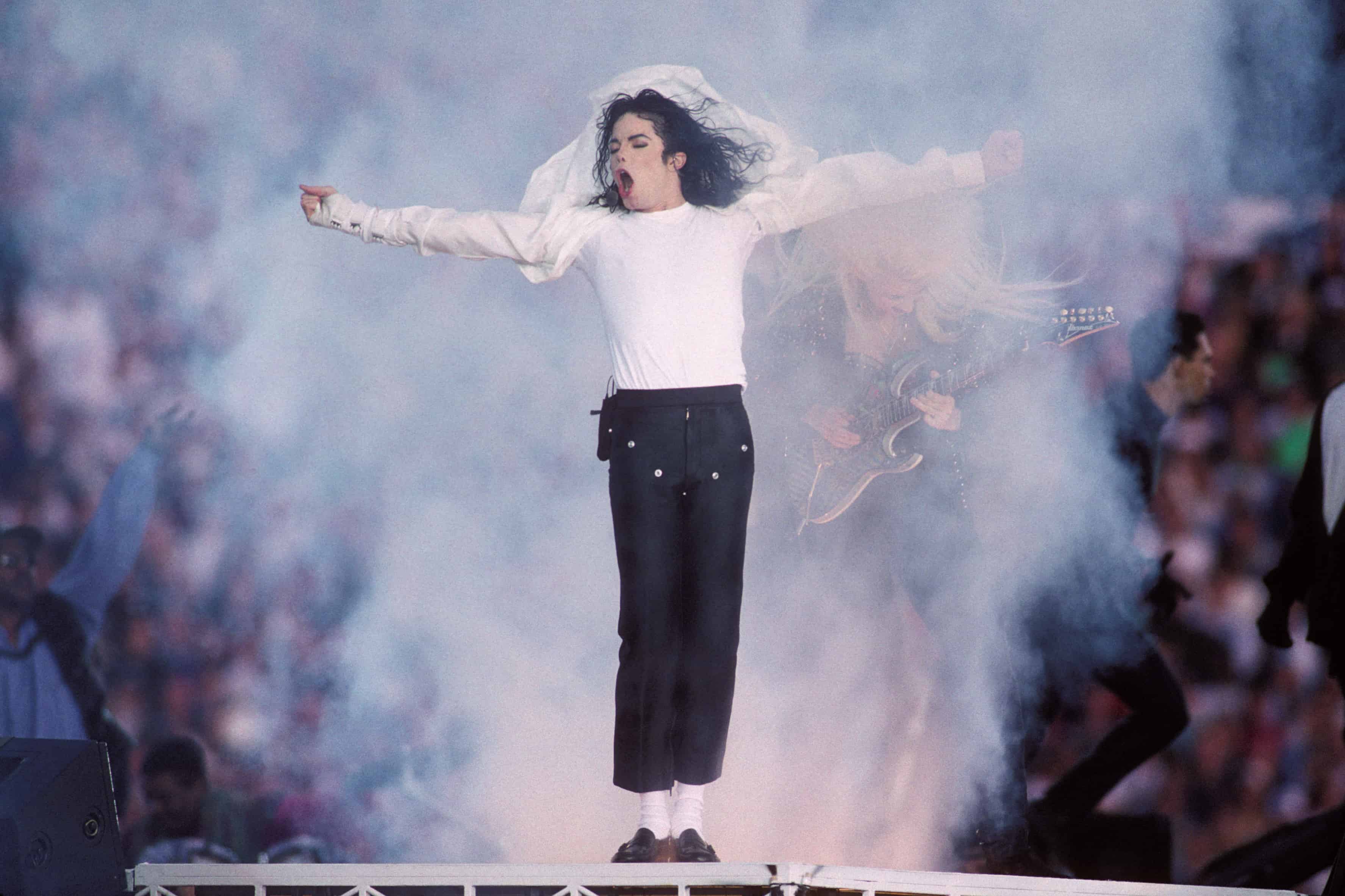

The Walt Disney Company recently moved to dismiss a copyright infringement lawsuit brought against it by the estate of Michael Jackson. “The Last Days of Michael Jackson,” the subject of the lawsuit, was aired by ABC earlier this year as a documentary television retrospective on the star’s Jackson 5 years to his final days. In essence, the estate claims the documentary features copyright-protected videos and songs owned exclusively by the estate and without ever seeking permission for the same. In response, Disney continues to maintain its documentary constitutes fair use.
In its complaint, Michael’s Jackson’s estate focuses on the irony of Disney’s previous zealously advocation of intellectual property rights. In particular, the estate notes that the entertainment company’s “zeal to protect its own intellectual property from infringements, real or imagined, often knows no bounds.” The estate goes further to cite three sympathetic examples of how Disney used its power to force others to comply with its intellectual property will. First, the estate cites threats made by Disney against independent child care centers for having pictures of Mickey Mouse and Donald Duck on their walls, forcing the centers to remove the pictures from their walls. Another example is a lawsuit seeking one million dollars brought against “a couple on public assistance” who had been appearing as Tigger and Eeyore at children’s parties. Lastly, and perhaps the most relevant to Disney’s fair use defense, the complaint cites DMCA takedown notices sent by Disney to Twitter, Facebook, and the like, when consumers posted pictures of Star Wars toys the consumers had legally purchased. Through these examples, Michael Jackson’s estate attempts to paint the picture that Disney “has never been shy about protecting its intellectual property.”
In light of Disney’s rigorous intellectual property protection, the estate claims it is particularly egregious that Disney has so blatantly used Michael Jackson’s works without seeking a license from the estate. Indeed, the complaint states “Disney’s passion for the copyright laws disappears when it doesn’t involve its own intellectual property and it sees an opportunity to profit off of someone else’s intellectual property without permission or payment.” Even more, the estate’s grievance is aggravated by the quantity of copyrighted works used by Disney in its special. “The Last Days of Michael Jackson” purportedly used at least thirty different copyrighted works including, “substantial portions of some of Michael Jackson’s most famous music,” such as Billie Jean, Beat It, Don’t Stop ‘Til You Get Enough, The Girl is Mine, and Leave Me Alone. Moreover, the two-hour special features “extensive parts of Michael Jackson’s copyrighted music videos,” including Michael Jackson’s Thriller, Billie Jean, Black or White, and Childhood.
While Disney admits to having utilized “short excerpts” from Michael Jackson’s songs and videos, the company contends its use is “limited.” Disney contends these works are used solely for the purpose of providing historical context and explanation tracing the arc and aspects of Michael Jackson’s life and career. Furthermore, Disney claims that in most instances in its documentary special “well less than 1& of the works” were reproduced.
Disney’s primary argument to Michael Jackson’s estate’s complaint is that its film qualified as a documentary and therefore, that its “limited” use of the copyrighted material was fair game. Specifically, Disney argues that per its right of free speech under the First Amendment and the doctrine of fair use under the Copyright Act, its use was completely permissible. For a use of copyrighted work to be classified as a “fair use,” it must be done for a limited and transformative purpose. Generally speaking, most fair use qualifies as either commentary/criticism or parody. It follows, therefore, that Disney contends it is allowed to limited use of the estate’s copyrighted works for the purpose of reporting on, commenting on, teaching about, and criticizing a well-known public figure.
Michael Jackson’s estate seeks to hold Disney liable for ABC, Inc.’s release of “The Last Days of Michael Jackson” under an agency theory. Specifically, ABC is a wholly-owned subsidiary of The Walt Disney Company. Moreover, the estate contends Disney had knowledge of ABC’s “planned infringing activity” as its General Counsel was sent numerous letters in the days prior to the special’s airing and ignored the last two letters. Based on this knowledge and control, the estate claims The Walt Disney Company can therefore be held liable for ABC’s alleged wrongful conduct of airing the infringing special.